
Faux Sisal Carpet Installation on Stairs and Basement in Kew
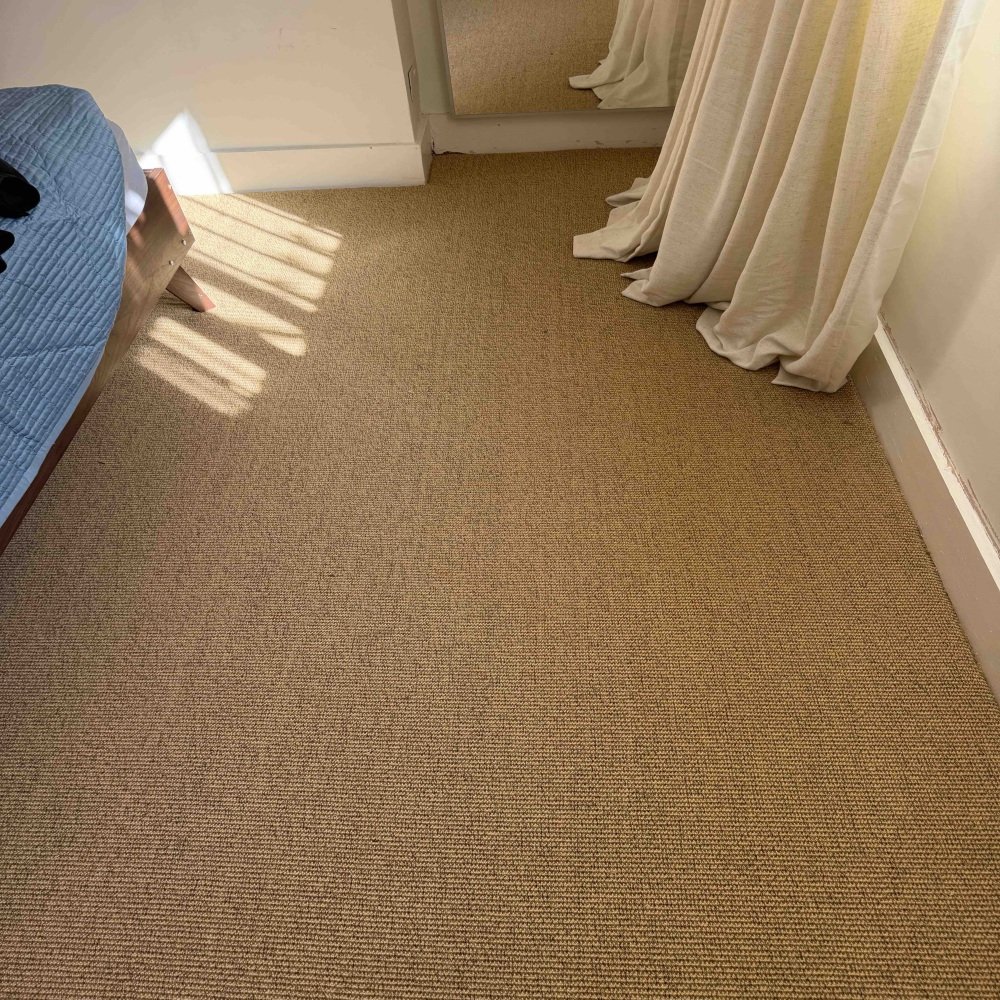
There’s something rather special about working in Kew. Nestled beside the world-famous Royal Botanic Gardens, this leafy corner of South West London is home to some truly beautiful properties, and we were delighted to be called upon recently for a sisal fitting Kew project that would transform a dated staircase and basement area into something altogether more elegant.
The client had chosen a stunning faux sisal carpet—a material that’s become increasingly popular with homeowners who want the natural, textured appearance of traditional sisal without some of its practical drawbacks. As experienced faux sisal carpet installers London residents trust, we were well-prepared for the specific challenges this type of installation presents.
Why Faux Sisal Is an Excellent Choice for Stairs
Before diving into the installation process, it’s worth understanding why faux sisal has become such a sought-after option for staircases and high-traffic areas. Traditional sisal, whilst beautiful, can be susceptible to moisture damage and staining. Faux sisal, on the other hand, offers the same distinctive woven texture and natural aesthetic whilst being considerably more forgiving in terms of maintenance.
For stairs especially, where foot traffic is concentrated and the potential for spills exists, faux sisal provides the perfect balance of style and practicality. It’s also softer underfoot than genuine sisal, making it a more comfortable choice for busy family homes.
Preparing the Subfloor: The Foundation of Quality Installation
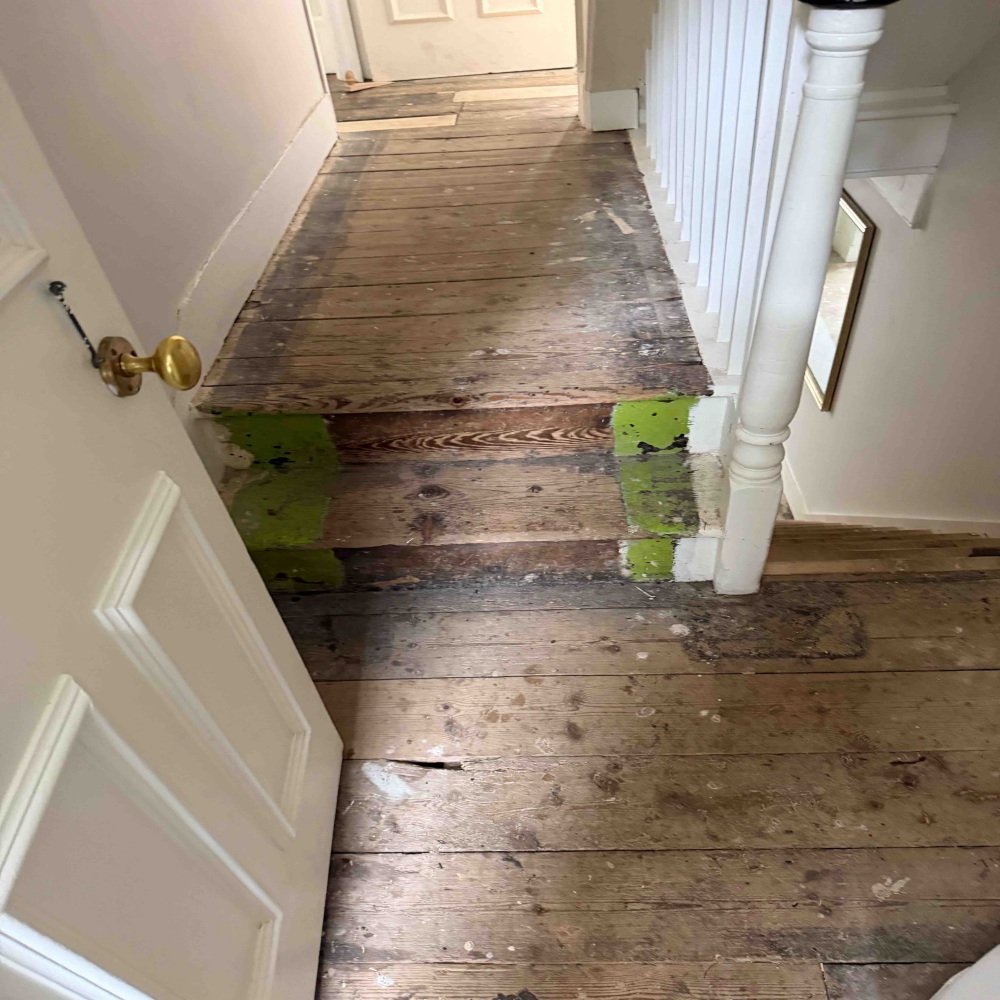
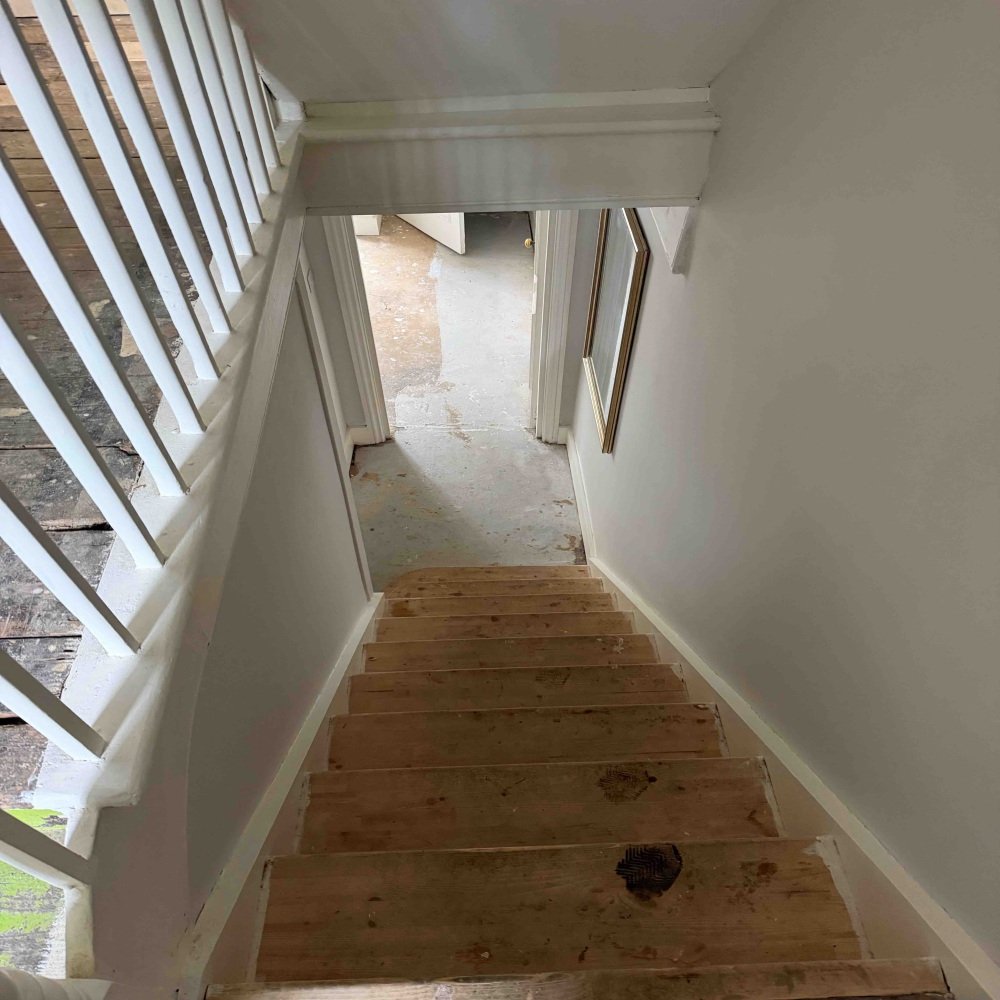
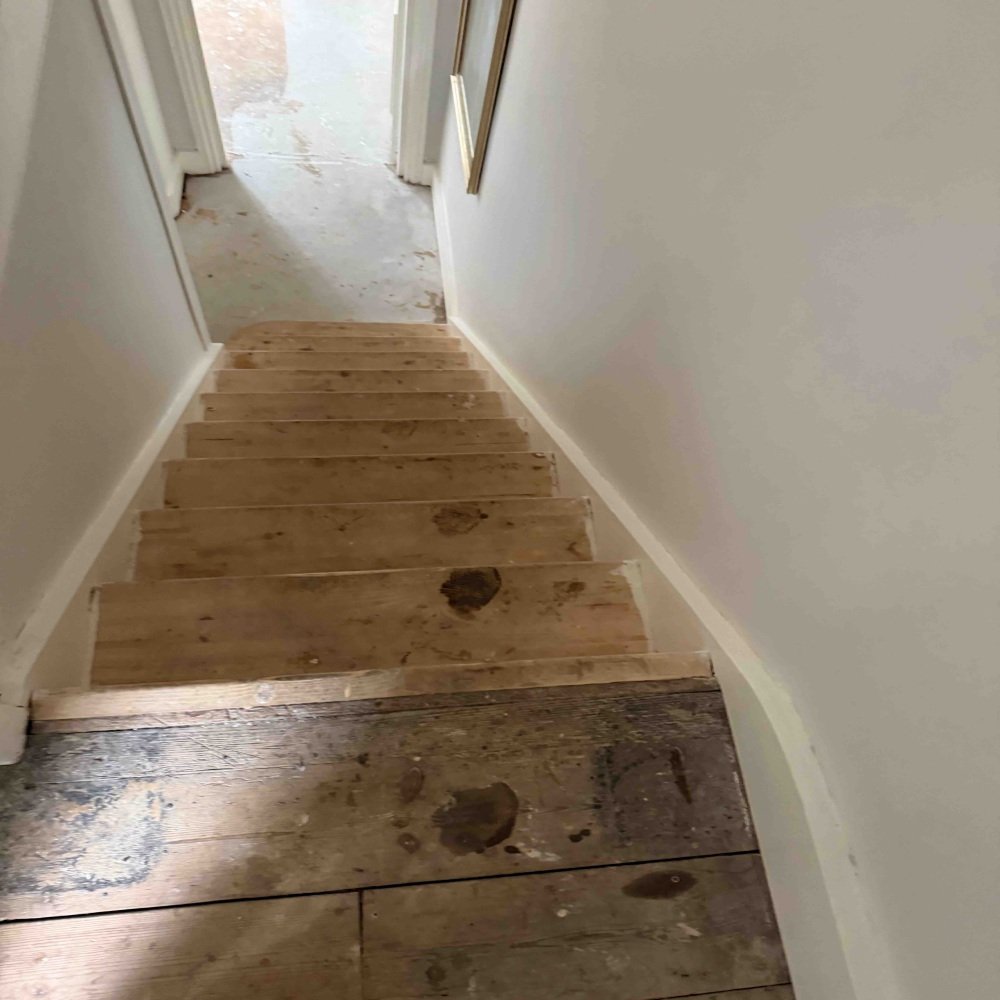
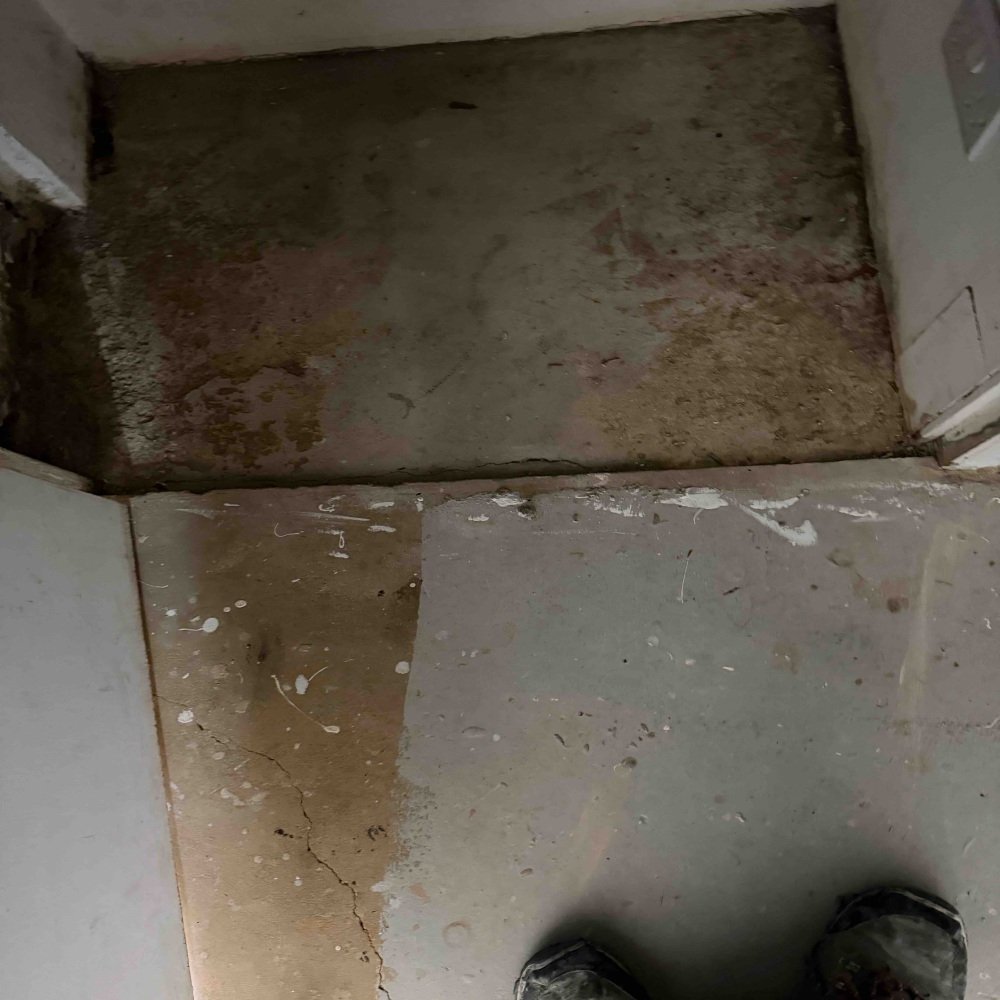
As with any professional carpet installation, thorough preparation is absolutely essential. Upon arrival at the property, we began by assessing the existing subfloor conditions throughout the basement area and staircase. The timber stairs showed the typical wear you’d expect from an older Kew property, whilst the basement featured a concrete subfloor that required careful preparation.
Gripper Rod Installation
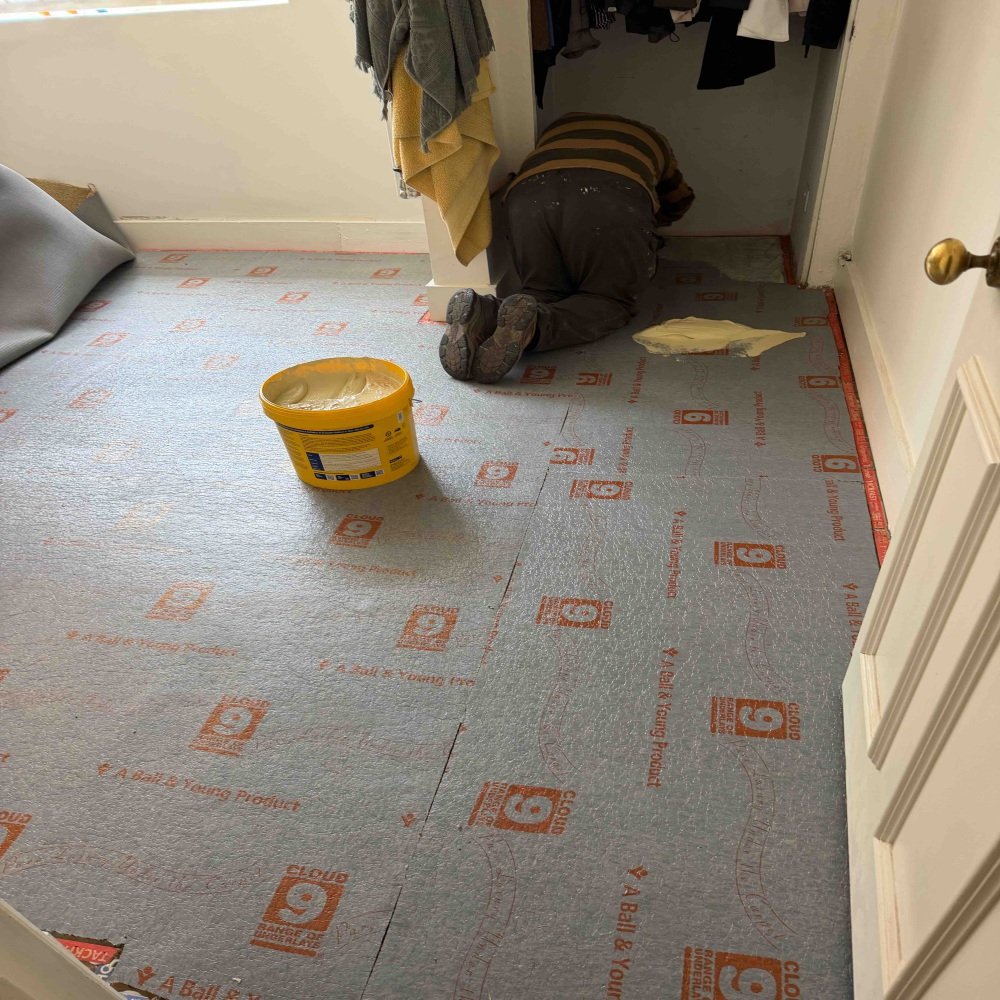
The first step was to glue gripper rods to all necessary areas throughout the basement. Gripper rods are fundamental to a secure carpet installation—these slim strips of wood embedded with angled pins grip the carpet backing firmly, ensuring the finished floor remains taut and wrinkle-free for years to come. In basement environments where drilling into concrete can be problematic, adhesive fixing of gripper rods provides a reliable and lasting solution.
Door Bar Fitting
Transitions between rooms and flooring types require careful attention to detail. For this project, we fitted three new door bars in the basement area: one aluminium double bar and two single bars. These not only provide a neat finish where the carpet meets other surfaces but also protect the carpet edges from fraying and wear. Aluminium bars were selected for their durability and clean appearance, complementing the natural tones of the faux sisal beautifully.
The Powerstep Underlay System
One of the most critical elements of this installation was the application of Powerstep underlay—a specialist product that’s particularly well-suited to stair installations and areas where traditional underlay simply won’t perform adequately.
We began by cutting and fitting Powerstep to all subfloor areas in the basement, ensuring complete coverage that would provide cushioning, sound insulation, and a smooth surface for the carpet to adhere to. The three landings and all stairs then received the same treatment, with Powerstep applied meticulously to each tread and riser.
What makes Powerstep so effective for stairs is its thin profile combined with excellent grip properties. Unlike conventional foam underlay, which can shift and compress unevenly on stairs, Powerstep maintains its position and provides consistent support across the entire surface. This is particularly important with faux sisal, which benefits from a stable base to show its textured weave to best advantage.
Cutting and Fitting the Faux Sisal Carpet
With the preparation complete, we moved on to the main event: installing the faux sisal carpet itself. Stair carpeting requires precise measurement and cutting skills—each tread and riser must be fitted individually, with the carpet wrapped neatly around the nosing and secured firmly to prevent any movement or lifting.
The carpet was cut to shape with careful attention to the weave pattern, ensuring consistency across all visible areas. Once cut, each section was adhered directly to the Powerstep using professional-grade adhesive. This direct-stick method is essential for faux sisal on stairs, as it eliminates any possibility of the carpet shifting underfoot—a safety consideration that’s absolutely paramount.
The landings required equally careful attention, with the carpet cut to fit precisely around skirting boards and into corners. The natural texture of the faux sisal creates a wonderfully warm aesthetic that suited this Kew property perfectly, bringing a contemporary yet timeless feel to what had previously been a rather tired-looking space.
The Finishing Touches
No professional installation is complete without thorough cleaning and clearing of the work area. We take considerable pride in leaving properties exactly as our clients would wish to find them—with beautiful new flooring and not a trace of installation debris to be seen.
The transformation in this Kew home was remarkable. Where bare, worn timber and concrete had created a cold and uninviting atmosphere, the faux sisal now provides warmth, texture, and a sense of quality craftsmanship throughout. The client was absolutely delighted with the result, and we were proud to have delivered another successful project in this wonderful part of London.
Expert Carpet Installation Across South West London
Whether you’re considering faux sisal, natural flooring, or any other carpet type for your stairs or living spaces, professional installation makes all the difference. At Cavendish deVere, we bring decades of experience to every project, ensuring results that look exceptional and stand the test of time – and BTW we will be back with some better pictures for this project!
 |
 |
 |
 |
 |
 |


Recent Comments