
Natural Beauty in the Barbican EC2Y: Cork Flooring in Bunyan Court
The Barbican Estate is one of those iconic London locations where we’ve built a strong reputation over the years. Working across these distinctive brutalist apartments has given us deep familiarity with their unique characteristics – from the concrete subfloors that lend themselves beautifully to resilient flooring to the Estate’s remarkable communal heating system. So when a repeat client in Bunyan Court contacted us about a new flooring project, we knew exactly what we were dealing with.
A Client Who Trusts Our Work
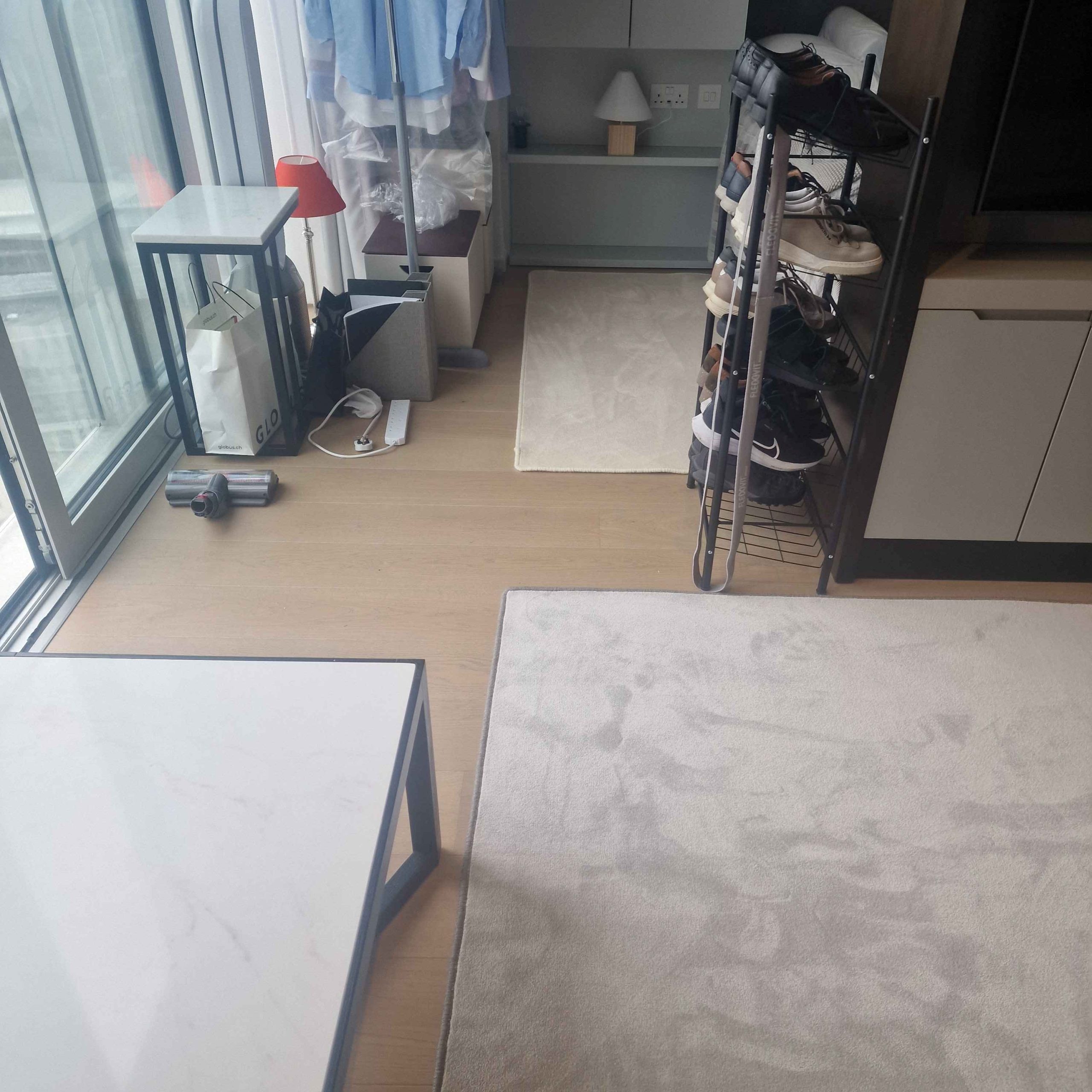
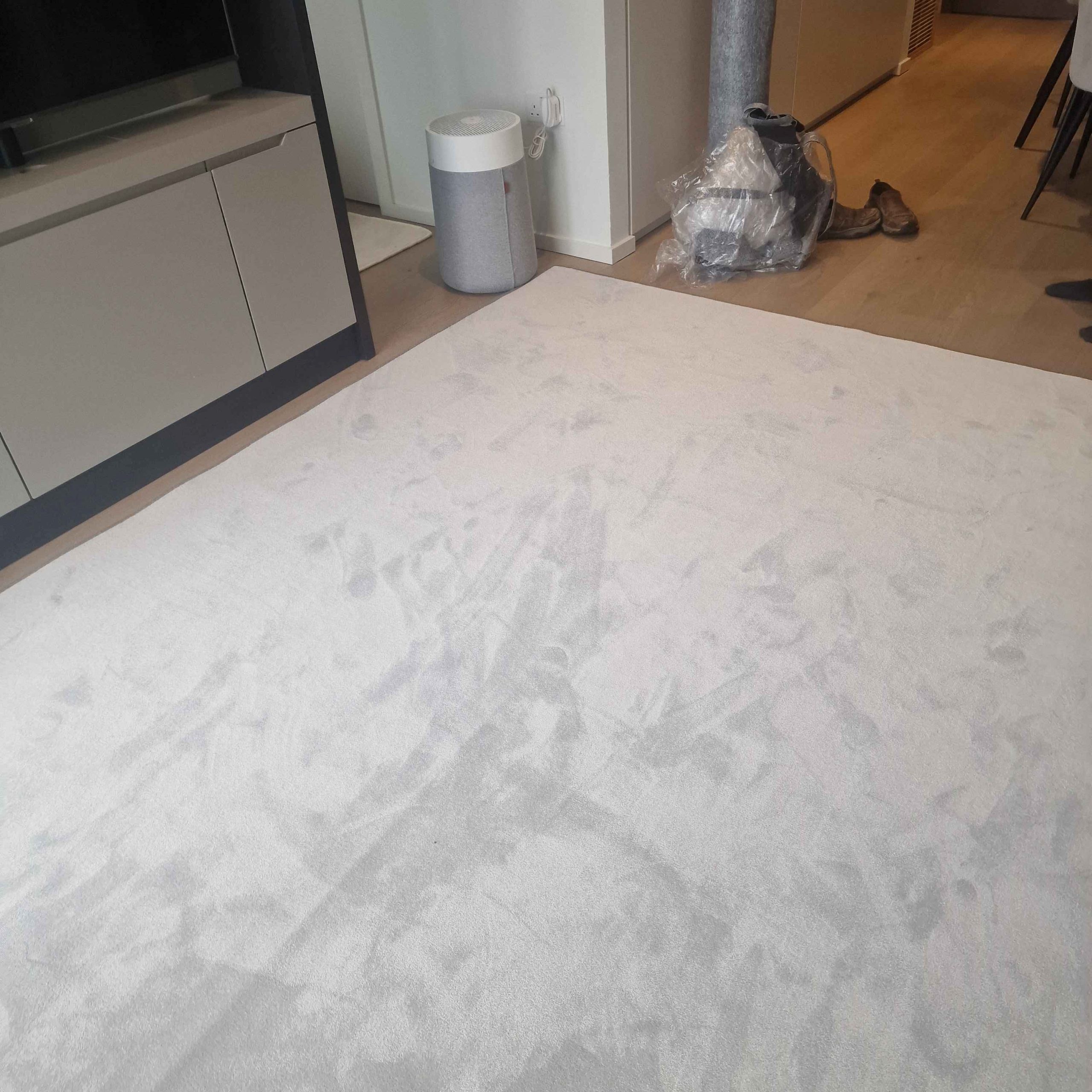
This particular client had already experienced our bespoke carpet services firsthand. On a previous project, we’d collected her existing carpet, carefully measured and cut it to her exact specifications, whipped the edges to create a beautifully finished bespoke rug, and then returned to fit it perfectly into her living room. It’s that carpet whipping and giant rug making service we offer throughout London – transforming wall-to-wall carpets into elegant area rugs with professionally finished edges that look absolutely stunning.
That carpet-to-rug conversion had gone so smoothly that when she decided to replace the old wooden flooring in another area of her apartment, she knew exactly who to call. This time, she had something completely different in mind: natural cork tiles. Specifically, the Granorte Tradition Natural Cork Floor Tiles in the River colourway – a sophisticated choice that would bring warmth, sustainability, and unique texture to her Barbican apartment.
Why Cork Works Brilliantly in the Barbican
The Barbican Estate’s apartments present ideal conditions for cork flooring installation. All the apartments feature concrete subfloors, which provide the stable, solid base that glue-down installations require. Even more importantly, the Estate has a distinctive communal heating system – specifically electric underfloor heating that was ingeniously integrated into the original 1960s design. Embedded cables run throughout the entire floor area, providing background warmth and eliminating the need for radiators or individual boilers. The Estate Office manages the system seasonally, ensuring consistent, gentle heat distribution.
Cork tiles are absolutely perfect for this setup. The material’s natural insulating properties work harmoniously with underfloor heating, creating comfortable, warm floors without compromising the heating system’s efficiency. Cork doesn’t block heat transfer the way thick carpets might, yet it feels naturally warm underfoot even before the heating kicks in. It’s this combination of practical performance and natural beauty that makes cork such an excellent choice for Barbican apartments.
The Installation Process
We began by removing the old wooden flooring – always a slightly uncertain moment as you never quite know what condition the subfloor beneath will be in. Fortunately, the concrete underneath was in good shape overall. We did need to do some remedial work, applying feather finish to patch a few areas and create that perfectly smooth, level surface essential for cork tile installation. Cork tiles are thin – these Granorte Tradition tiles are just 4mm thick – which means any imperfections in the subfloor will telegraph straight through to the finished surface.
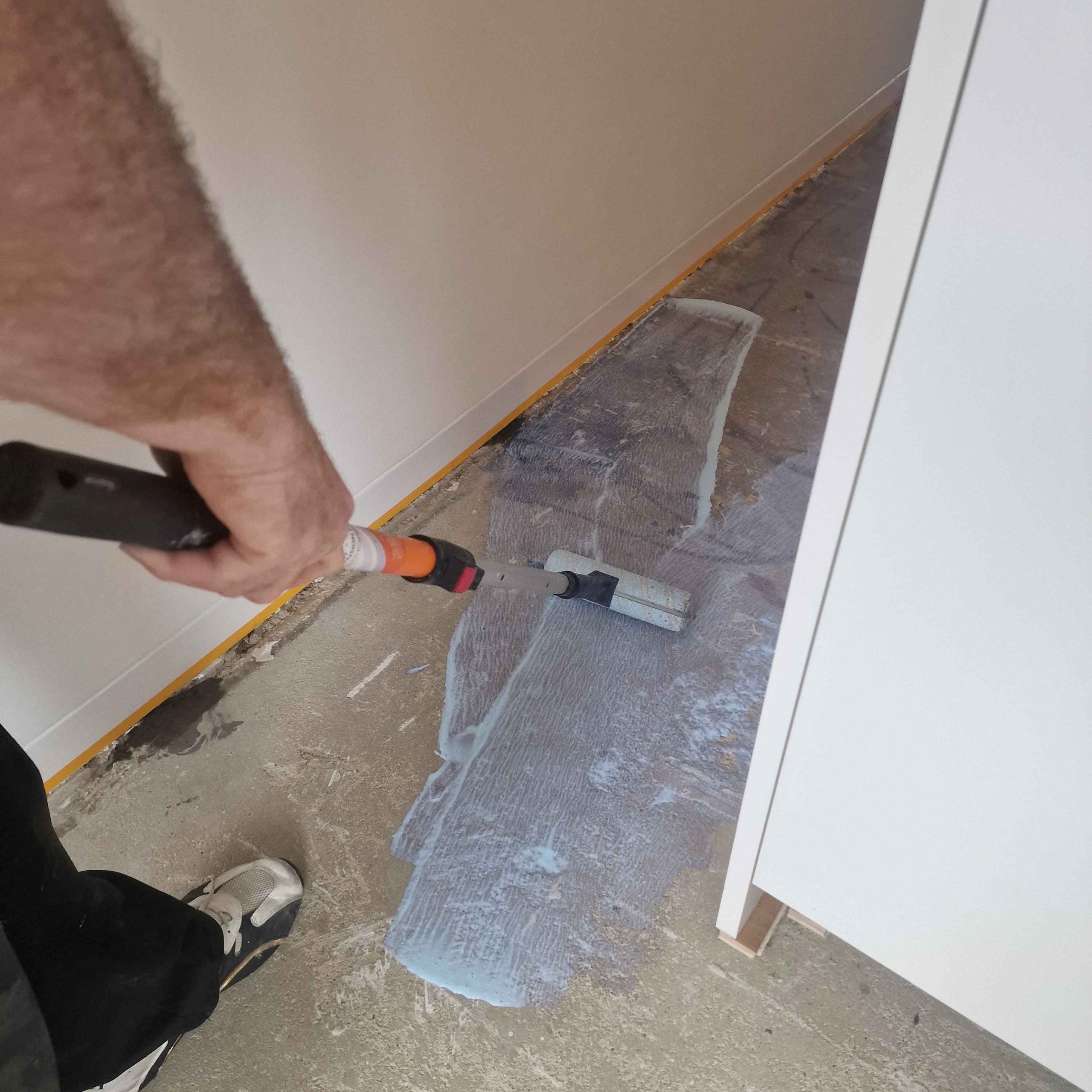
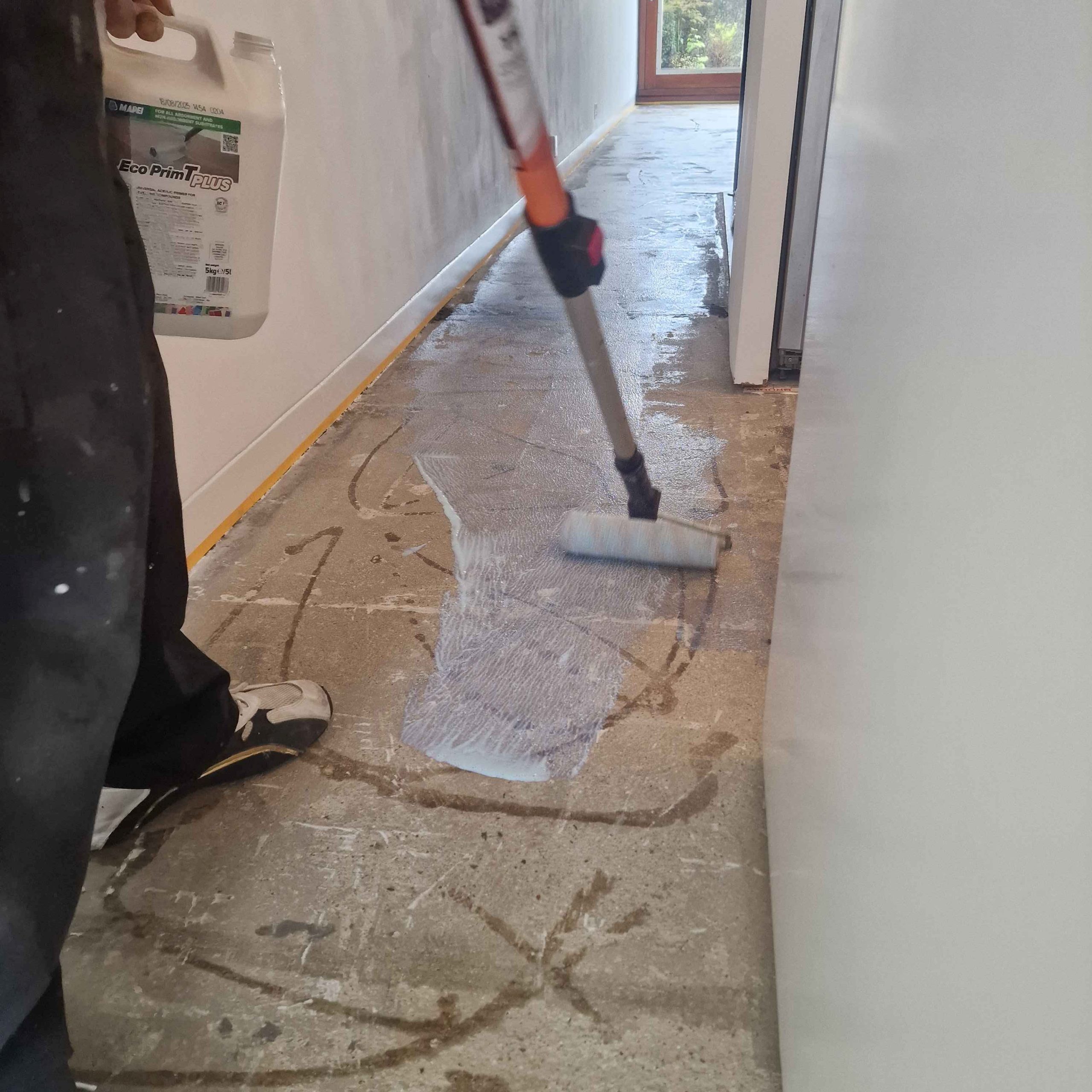
Once we’d achieved that flawless base, we primed the concrete thoroughly. Priming is absolutely crucial for glue-down installations – it seals the concrete, prevents moisture issues, and ensures the adhesive bonds properly. We then carefully laid out the cork tiles, planning the layout to minimize waste whilst ensuring the beautiful natural patterns flowed aesthetically through the space.
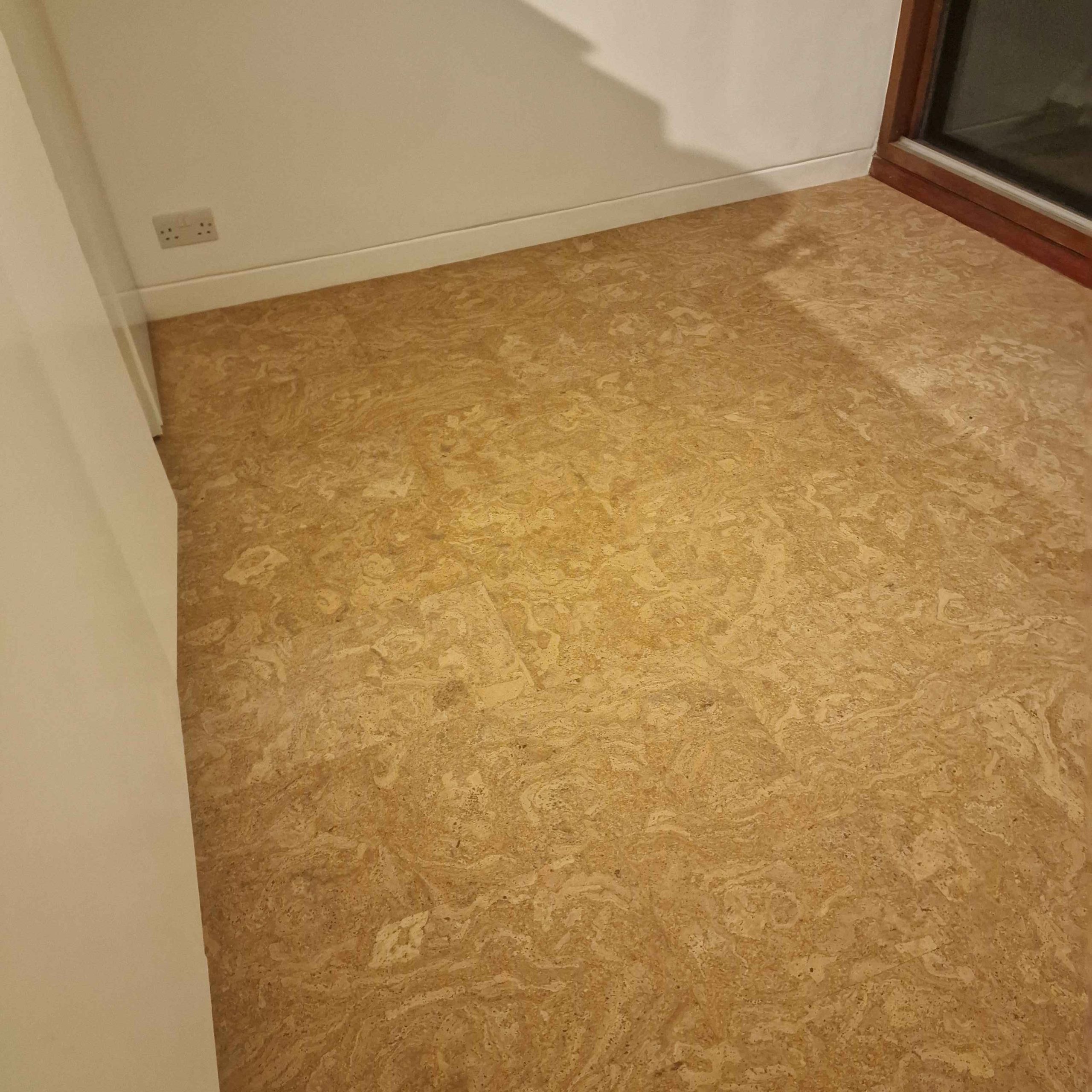
The Granorte Tradition River tiles are genuinely stunning. Each 600mm x 300mm tile showcases cork’s natural variations and organic texture, creating subtle visual interest without being overly busy. The installation itself requires precision and patience – getting perfect alignment, ensuring consistent grout lines, working methodically to avoid adhesive mess. These are the details that separate adequate installations from exceptional ones, and we pride ourselves on getting every detail right.
The Results and Looking Forward
The finished floor is absolutely beautiful. The natural cork tones bring warmth to the space whilst complementing the Barbican’s concrete aesthetic perfectly. Cork’s natural texture adds tactile richness, and the client was delighted with how the floor transformed her apartment. The material’s inherent properties – sound absorption, comfort underfoot, natural antimicrobial qualities, and environmental sustainability – are all genuine practical benefits that enhance daily living.
We’re increasingly convinced that cork flooring represents an ideal solution for Barbican apartments. We already work extensively throughout the Estate, primarily fitting Marmoleum and linoleum – both excellent choices that work brilliantly with the concrete floors and underfloor heating. But cork offers something different: that distinctive natural texture, exceptional comfort, and unique aesthetic that appeals to residents wanting something special.
Given the success of this installation and the perfect marriage between cork’s properties and the Barbican’s characteristics, we’re confident we’ll be fitting many more cork floors throughout the Estate. When you combine a product that performs beautifully with subfloors and heating systems that suit it perfectly, and add clients who appreciate quality and sustainability, you’ve got a winning combination.
For anyone living in the Barbican considering their flooring options, cork deserves serious consideration. And for those elsewhere in London with similar concrete subfloors and underfloor heating, the lessons learned from our Barbican work apply equally. Whether it’s cork, Marmoleum, or even transforming existing carpets into bespoke rugs, we bring that same attention to detail and commitment to exceptional results to every project.








Recent Comments